Machu Picchu: The Lost City in the Clouds
Peru's Inca citadel — how to get there by trek or train, the permits you must book ahead, when to go, and how to acclimatize to the altitude.
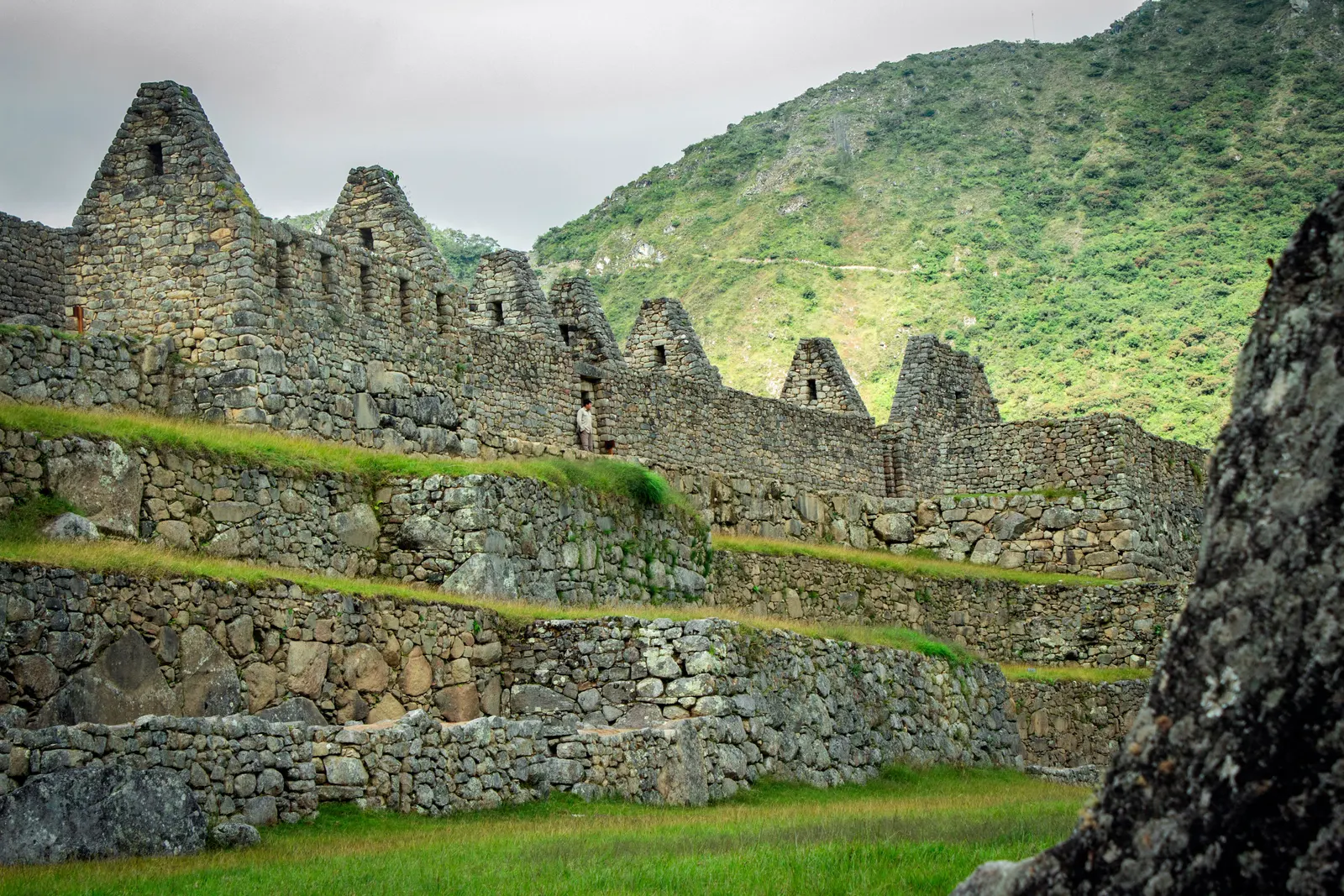
Machu Picchu is the image that defines South America: a 15th-century Inca citadel of fitted stone terraces draped across a knife-edge ridge, wrapped in cloud forest, with the sugarloaf peak of Huayna Picchu behind it. Reaching it is a journey in itself — and one that rewards careful planning, because nearly everything here is permit-gated and books out early.
Two ways in
- The train (most travelers). From Cusco or the Sacred Valley to Aguas Calientes, then a bus up to the site. Comfortable, scenic, and flexible.
- The Inca Trail trek. The classic 4-day hike over high passes that arrives through the Sun Gate at dawn — a bucket-list trek in its own right. Permits are strictly limited and sell out months in advance; it also closes each February for maintenance. (Alternative treks like Salkantay don’t need the same permit.)
Book ahead — really
You need a timed entry ticket for Machu Picchu itself (with set circuits), plus separate permits for the Huayna Picchu or Machu Picchu Mountain climbs, plus Inca Trail permits if trekking. In high season these go fast. Reserve as early as you can and confirm the current rules — the ticketing system changes periodically.
Acclimatize first
Cusco sits at about 3,400 m (11,000 ft) — higher than Machu Picchu itself. Altitude is real: spend a couple of days in the lower Sacred Valley (around 2,800 m) before exerting yourself, hydrate, go easy, and consider talking to a doctor about altitude medication.
When to go
The dry season (May–September) offers the most reliable weather and clear views, with June–August busiest. The shoulder months (April, October) are quieter with some rain. The wet season (November–March) is greener and cheaper but cloudier, and the Inca Trail closes in February.
Make it a Peru trip
Don’t fly all that way for one site. Build in Cusco (a beautiful colonial-Inca city), the Sacred Valley (Pisac, Ollantaytambo), and consider Lima’s food scene, Lake Titicaca, or the Amazon.
Honest trade-offs
- Logistics-heavy. Permits, trains, and altitude demand planning — or a good operator.
- Altitude can floor the unprepared. Respect it.
- Crowds at peak; early entry and the quieter circuits help.
Who it’s for
History lovers and active travelers chasing a genuine wonder of the world. Compare with Petra, and if you love high wild country, see Patagonia. Undecided? The matcher can help.